Indice dei contenuti

How to define curls is a question that, sooner or later, everyone with wavy, curly or afro hair finds themselves searching for. And there is never just one answer, because every head of hair has its own specific texture and reacts differently to products and styling techniques.

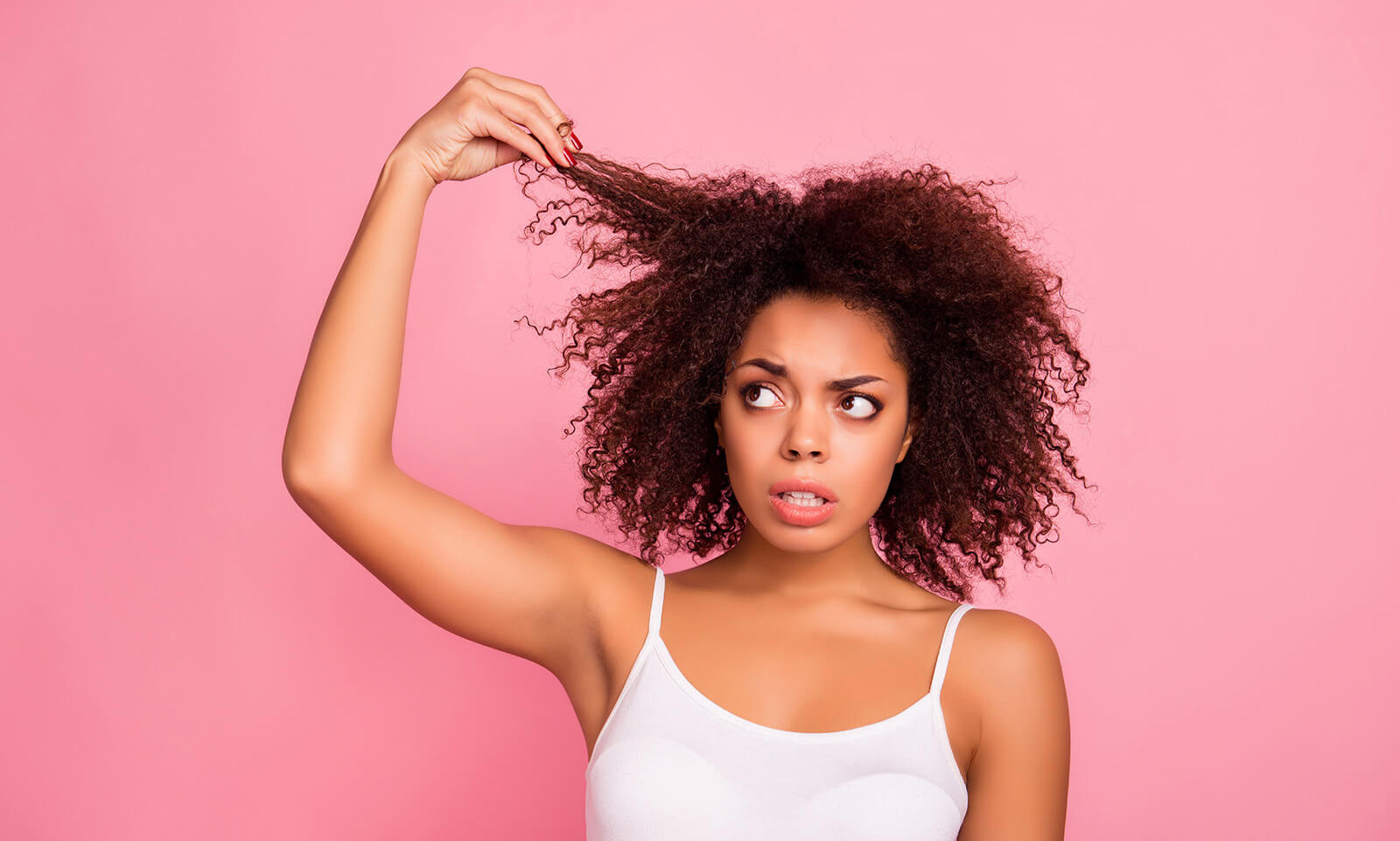
If every morning you find yourself dealing with curls that lose their shape, volume that falls flat or frizz that appears out of nowhere, know that this is completely normal.

The good news? Definition is not a matter of luck. It is the result of targeted gestures, techniques applied with awareness and a Curly Routine built around you. From cleansing to styling, through hydration and drying, every step matters.

Why Curls Lose Definition: The Main Causes

Before understanding how to define curly hair, it is essential to understand why curls often look dull, puffy or shapeless. The reason lies in the very structure of the hair shaft: its spiral shape makes it more difficult for natural sebum to travel from the roots to the ends. This is why curls naturally tend to be dry and, as a result, lose definition and elasticity.

Other factors also contribute to curls losing their shape:

Dehydration: when the hair fibre does not receive enough moisture, the cuticles lift and the curl loses compactness, looking puffy and undefined.

Non-specific products: shampoos with sulphates, conditioners with silicones and products containing mineral oils or alcohol tend to dry the hair out further or create build-up on the hair shaft, preventing the curl from forming properly.

Incorrect drying: rubbing the hair with a traditional terry towel opens the cuticles and creates friction, the number one enemy of definition.

Excessive manipulation: touching curls while drying or brushing them dry with unsuitable tools breaks the natural curl pattern.

Another aspect not to overlook is curly hair porosity. Porosity refers to the hair fibre’s ability to absorb and retain moisture: understanding whether your hair has low, medium or high porosity will help you choose the most suitable products and techniques. If you want to explore this topic further, also read how to achieve perfect curls by starting from a better understanding of your hair.

The Foundation of Everything: Preparing Curls for Definition

One common mistake is thinking that curl definition only begins during the styling phase. In reality, curl shape is built from the wash. Careful preparation, from cleansing to conditioning, is the real secret to achieving curls that hold their shape for longer.

Gentle Cleansing: The Right Shampoo for Your Curls

Cleansing is the first step of every proper Curly Routine. To enhance your curls, always choose a shampoo without sulphates, silicones and parabens: over time, these ingredients compromise the hair’s natural hydration and make curls look dull and fragile.

Not all shampoos for curly hair are the same, however. Here is how to choose based on your texture:

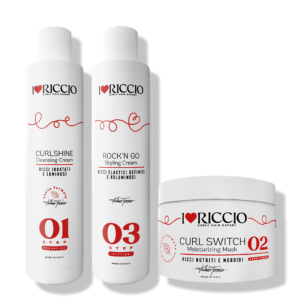
If you have medium-to-coarse curly hair that needs more hydration, look for a shampoo rich in natural plant oils that replenishes the lipid component of the hair fibre, improves elasticity and restores shine. Among products specifically formulated for curly hair, you can find valid options in this direction, such as CurlShine®.

If your curls have a fine texture and tend to become weighed down easily, choose a volumising shampoo, such as 2Gentle®, that gives body without heaviness, ideally with hydrolysed wheat proteins to improve combability.

For afro curly hair, a co-wash cleanser such as Magnifish can be the ideal choice: it cleanses and hydrates in one step, without drying the hair out.

The advice from our Curly Hair Experts? During washing, focus the shampoo on the scalp, massaging with your fingertips for 2-3 minutes, and let the foam run through the lengths as you rinse. Your curls will thank you.

Hydration and Nourishment: Mask and Conditioner as Allies

Hydration is the first beauty secret of curly hair. Hair that is not properly hydrated will never show truly defined curls, because the cuticles will remain lifted and the fibre will feel rough to the touch. Choosing the right conditioner is essential to restore softness and prepare the hair for the next styling phase.

After cleansing, dedicate the right amount of time to the conditioning phase:

For those looking for hydration and structural support, a protein mask is perfect for restoring softness and elasticity.

For deep nourishment, choose masks based on natural oils such as argan, macadamia or jojoba, which restore shine and definition.

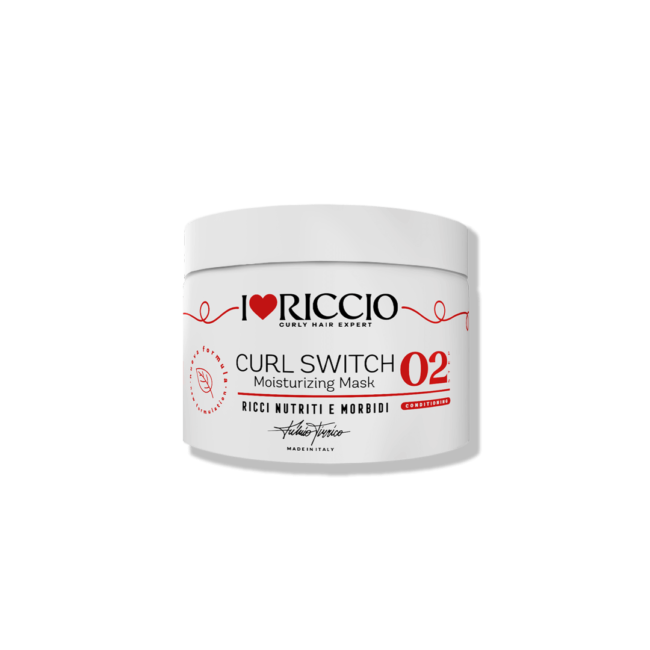
For particularly dry curls that need intensive care, a super-nourishing mask that works deeply on lengths and ends will make all the difference.

A practical tip: while applying the mask, use a spiral detangling brush to distribute the product evenly and gently detangle knots without breaking the strands. Leave on for 5 to 30 minutes, depending on the level of hydration your curls need. If you want to explore how to choose the ideal mask, take a look at our guide to the best masks for curly hair.

Leave-In: The Step That Makes the Difference Before Styling

Perhaps you too have skipped this step, thinking it was unnecessary. Yet leave-in is one of the most important steps for preparing curls for definition. It is a no-rinse product that hydrates, helps seal the cuticles and makes detangling easier.

How should you apply it? On very wet hair, distribute it with the rake technique, running your fingers through the strands like a comb, then seal with the praying hands technique, sliding your joined hands over the strands from top to bottom. At this point, you are ready for the actual styling phase

How to Define Curls: The 6 Most Effective Styling Techniques

Scrunching: The Basic Technique for All Curls

Scrunching is undoubtedly the best-known and most versatile technique for defining curls. It is based on a simple but effective movement: gently squeezing the strands with your hands from the bottom upwards, encouraging the natural spiral to form.

Here is how to do it:

Apply your styling product to very wet hair, distributing it through the lengths.

Gather a section of hair in the palm of your hand, starting from the ends.

Squeeze the strand firmly towards the roots, as if you were crumpling a sheet of paper.

Repeat the movement throughout the hair, section by section.

Important: if you do not hear the typical “squish” sound of water between your fingers while scrunching, your hair is probably not wet enough. In that case, add water before continuing, otherwise you risk creating more frizz than expected.

Scrunching is suitable for all curl types, from wavy to afro hair, and is also perfect as a final gesture after applying product with another technique.


Praying Hands: Distributing Product Perfectly

The praying hands technique takes its name from the gesture that characterises it: joined hands, as if in prayer, sliding along the strands to distribute the product evenly and seal the cuticles.

To do it, apply the styling product to your palms, bring your hands together and slide one strand at a time between your palms, from top to bottom, applying light pressure. This movement allows the product to penetrate the hair fibre thoroughly, ensuring even definition without disrupting the natural curl pattern.

It is particularly suitable for tighter curl types, such as 3B, 3C and 4, to “elongate the curl”, and is often combined with a final scrunch to complete the styling.


Rake and Shake: Natural Definition and Volume

Rake and shake is one of the most loved techniques by those who want soft, natural definition with plenty of volume. It consists of two phases: distributing the product with open fingers like a comb — the rake — and shaking the strands upwards — the shake — to stimulate the natural curl pattern.

Here is how to do it: work on wide sections of hair, distributing the product with your fingers inserted between the strands. Then take the strand and shake it upwards with a quick, firm movement. The result is soft, lightweight definition, ideal for those who do not like an overly “constructed curl” effect.

This technique is particularly suitable for wavy hair, type 2, and 3A curls, which benefit from a more natural and airy definition.


Finger Coil: Sculpted Curls, Strand by Strand

Finger coiling is the ultimate technique when you want perfectly defined curls and an enhanced spiral shape. Your fingers are the real stars: each strand is wrapped around the finger, from root to tip, to create a precise and long-lasting curl.

Here is how to proceed:

Divide the hair into sections, starting from the bottom.

Take a single strand and, after applying the product, wrap it around your index finger.

Let your finger slide out while maintaining the spiral shape.

Continue throughout the hair.

Finish with a vigorous scrunch to add volume and natural movement.

Finger coiling is especially suitable for curl types 3B, 3C and 4, and for those with an uneven curl pattern that they want to enhance. It takes more time than other techniques, but the result is extraordinary. To master this technique in detail, see our guide on how to define curls with the finger coil method.


Plopping: Definition During Drying

Plopping is not exactly a styling technique, but rather a drying technique that helps maintain the natural curl shape and preserve the definition achieved during styling. It is perfect for those with long hair that tends to lose volume at the roots.

To do it:

After applying your styling product, lay a microfibre towel, or a cotton T-shirt, on a flat surface.

Place the crown of your head in the centre of the towel, letting all your hair fall onto the fabric.

Wrap the towel into a turban and secure it at the nape of the neck.

Leave on for 30 minutes to 2 hours.

Open gently and separate the curls with your fingers.

A microfibre towel is the ideal accessory for this technique: it helps control frizz and leaves curls softer, less static and shinier than a traditional terry towel.


Fitagem: The Brazilian Technique for Sculpted Curls

Fitagem is a styling technique of Brazilian origin and one of the most effective for achieving shiny, elastic and incredibly defined curls. It involves applying a mixture of cream and oil strand by strand, using manual work to sculpt each individual curl.

How to do it:

Mix a walnut-sized amount of styling cream with a few drops of hair oil.

Distribute the mixture on individual strands, from roots to ends.

Use a wide-tooth comb to divide each section into thinner strands.

Gather and squeeze the small strands in your hand until you obtain well-defined curls.

Leave on for at least one hour before drying.

Fitagem is suitable for all curl types and is particularly effective on medium-to-coarse textures that respond well to richer, fuller-bodied products.
Cream, Gel or Mousse: Which Product Should You Choose to Define Your Curls?

Here we are at the heart of the matter: which product should you choose to define curls? The answer always depends on your texture and on the final result you want to achieve. Each type of curly hair product has specific characteristics that make it more or less suitable for each hair type.

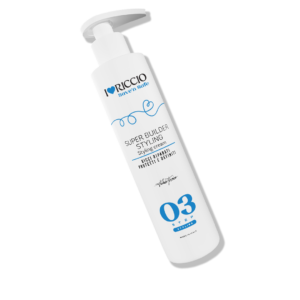
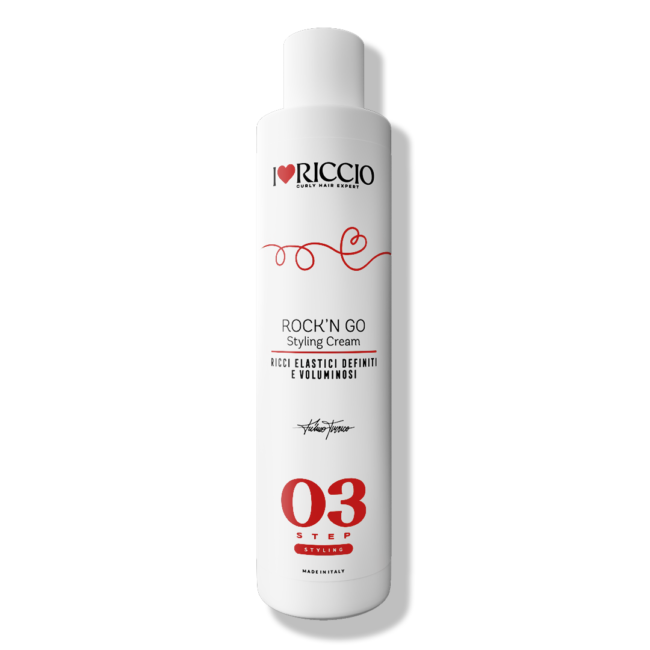
Styling cream: this is the most versatile and complete product. It offers definition, hydration and softness in a single step. A good elasticising cream for curly hair, such as Rock’n Go® by I Love Riccio, gives wavy and curly hair definition, volume and nourishment while controlling frizz. Cream is ideal for medium-to-coarse textures and curl types 3 and 4.

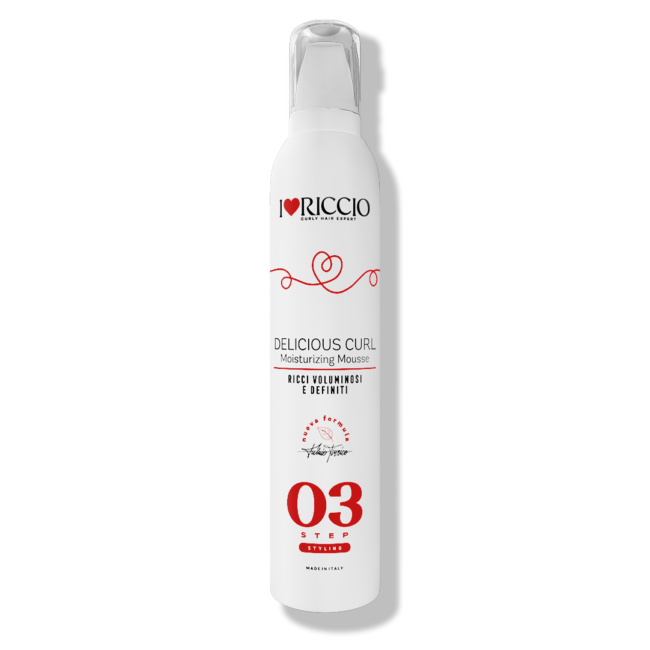
Mousse: if you have fine-textured curls that are easily weighed down, curly hair mousse is the right choice. Among the specific options for curly and wavy hair, Delicious Curl® by I Love Riccio is a soft, lightweight mousse that supports styling and gives the hair a defined, elastic structure, with volume and lightness, without the “wet look” that richer creams can sometimes create. Mousse is ideal for wavy hair and curl types 2 and 3A.

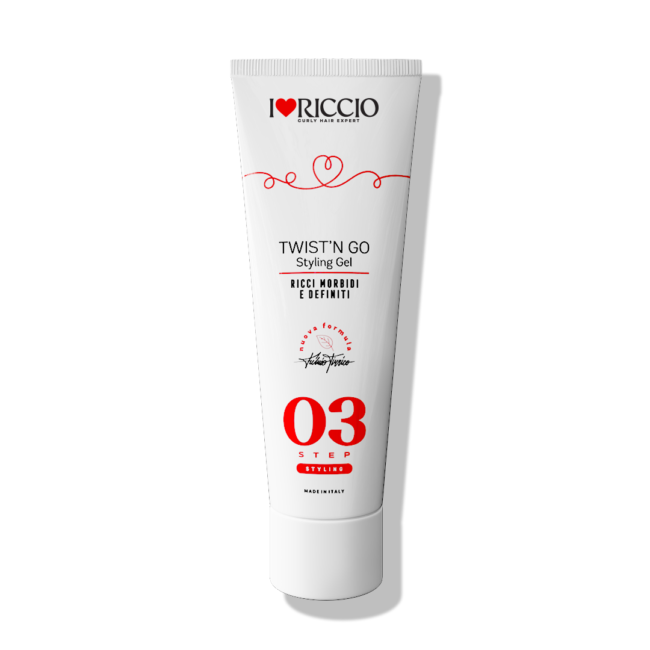
Styling gel: this offers the strongest hold and more pronounced definition. It is the best choice for those who live in very humid areas or need a result that lasts longer. Important: apply it to very wet hair to avoid a stiff, cardboard-like effect.

To help you choose, here is a quick guide:

Wavy curls, type 2 → mousse for light, defined waves
Curl types 3A-3B → cream for defined, voluminous curls
Very curly hair, type 3C-4 → cream + oil for sculpted, hydrated spirals
Fine hair → mousse for volume without heaviness

Aloe Vera for Defining Curls: Does It Really Work?

Aloe vera for defining curls is a very popular natural remedy, and for good reason: it provides lightweight hydration, has a naturally anti-frizz effect and does not weigh the hair down. For these reasons, many people use it as a natural gel to shape their curls.

However, it is important to be honest: on its own, aloe vera does not offer enough hold for curl types 3 or 4, nor can it guarantee long-lasting definition in very humid conditions. Its true potential emerges when it is combined with a specific styling product, enriched with a blend of active ingredients designed to work in synergy on the hair fibre.

For this reason, rather than seeing aloe vera as an alternative to curl-defining products, it is better considered an excellent ingredient to look for within formulas: it contributes hydration without weighing the hair down, while the complete product takes care of real definition and hold.

How to Define Curls on Dry Hair: The Refresh

You may be wondering: how can you maintain definition in the days after Wash Day, without repeating the entire Curly Routine? The answer is refresh, a technique designed to redefine hair in just a few minutes, directly on dry or slightly damp hair.

There are two main ways to define curls on dry hair:

Refresh spray: mist a specific revitalising spray for curly hair directly onto dry or slightly damp hair. The effect is instant and revives curls in one application.

Light cream: distribute a small amount of leave-in cream on the strands, working it in with your hands and reactivating the curl with scrunching.

After applying the product, gently work the strands with your fingers and finish with scrunching to restore the curl shape. Then dry with a diffuser or let the hair air dry.

One element not to overlook: to preserve definition during the night, protect your curls with a satin cap or sleep on a pure silk pillowcase. Reducing night-time friction means waking up with curls that need less work in the morning. To discover all refresh strategies, also read our guide on how to define curls on dry hair.

How to Control Frizz on Curls

Perhaps you are wondering: what if my curls are particularly prone to frizz? How can I achieve definition despite frizz?

Frizz occurs when the hair cuticles lift, allowing environmental humidity to enter the hair fibre and swell the shaft. The main causes are dehydration, mechanical friction and the use of unsuitable products. Here is a 4-step strategy to help control it effectively:

  • Deep and consistent hydration: use an intensive mask at least once a week. Curls that start from a well-hydrated base are naturally more resistant to frizz.
  • Apply styling products to very wet hair: the hair must not have been squeezed or towel-dried before styling. It must be dripping wet: this way, the product distributes evenly and the cuticles stay closed.
  • Do not touch your hair while drying: let the cast form, that slightly firm film that protects the curl during drying. Once dry, break the cast with a few drops of hair oil on your hands and a gentle scrunch.
  • Use anti-friction accessories: say goodbye to traditional terry towels and switch to a microfibre towel to blot, never rub, your hair. At night, protect your hair with a satin cap or silk pillowcase.

If you are looking for a complete overview of the topic, also read our article dedicated to caring for wavy hair and how to revive it.

Perfect Drying: The Final Touch for Defined Curls

The drying phase is the moment that consolidates all the styling work. Knowing how to dry curly hair perfectly can make the difference between defined curls and puffy, shapeless hair.

  • With a diffuser: this is the most suitable method for most curls. Use medium heat and medium-low speed, keeping the diffuser at an appropriate distance from the hair. For more volume, dry upside down and, above all, do not touch your hair while drying.
  • Air drying: this is the gentlest option, perfect for the warm season and for those with short or wavy hair. Keep in mind that on very long hair, air drying may flatten curls due to the weight of the water.
  • With plopping: if you have time and want to maximise definition and volume without using heat, plopping is the ideal compromise. Wrap your hair in a microfibre towel, wait the necessary amount of time, then finish by air drying or with a quick pass of the diffuser.

To discover all the details on washing and drying, also consult our guide on how to wash and dry curly hair.

Key Points for Curls That Stay Defined

At this point, you have all the tools you need to achieve defined, voluminous and frizz-free curls. Let’s recap the key concepts:

  • Definition starts with cleansing and hydration: without a well-cared-for base, no styling technique can deliver long-lasting results.
  • The technique must be chosen according to your curl type and texture: there is no universal method, only the right one for you.
  • The styling product makes the difference: cream for medium-to-coarse textures, mousse for fine hair, gel for maximum hold.
  • Correct drying consolidates the result: diffuser on medium heat, without touching the hair.
  • Refresh extends definition in the days after Wash Day, avoiding the need to repeat the whole routine.

Every curl deserves to be enhanced, and learning to understand your hair type is the first step towards results that will give you real satisfaction. If you need targeted advice, also discover the tutorial to enhance your curls and learn the techniques step by step, or explore how to care for damaged curls if your hair needs a recovery treatment.

Frequently Asked Questions About How to Define Curls

To define curls better, it is essential to work on three fronts: hydration, choosing the right styling product and using the correct application technique. Always start from well-washed and conditioned hair, apply the product to very wet hair — it must be dripping wet — and use a styling technique suited to your curl type.

Scrunching is the foundation for everyone, while finger coiling and fitagem offer more precise strand-by-strand definition. Drying with a diffuser at medium heat, without touching the hair, consolidates the result.

The secret to defined, frizz-free curls lies in the combination of constant hydration and correct gestures. Use a sulphate-free shampoo and a hydrating mask at every Wash Day. Apply the styling product to very wet hair, never towel-dried, and do not touch your curls while drying: let the protective cast form.

Avoid terry towels and switch to a microfibre cloth. Finally, once the hair is fully dry, break the cast with a few drops of oil and a gentle scrunch to achieve soft, frizz-free curls.

Curls lose definition for several reasons, often connected to one another. The most common cause is dehydration of the hair fibre: when the hair is dry, the cuticles lift and the curl loses compactness.

Other causes include the use of non-specific products, such as those with sulphates, silicones or mineral oils, overly aggressive drying and excessive manipulation during styling. Build-up, meaning the accumulation of product residue and environmental impurities on the hair shaft, can also prevent the curl from forming properly.

To restore definition, it is important to re-establish a correct Curly Routine.

To define curls without washing them, you can rely on refresh, a technique designed to restore shape to the hair in the days after Wash Day. The simplest method is to mist a revitalising spray directly onto dry or slightly damp hair.

After application, work the strands with your fingers and finish with scrunching to reactivate the curl shape. Alternatively, you can spray a little water with a mist bottle, distribute a small amount of lightweight cream on the strands and proceed with scrunching. Then dry with a diffuser or air dry to set the result.

To protect curls overnight and wake up with hair that is still defined, the most effective strategy is to reduce friction between the hair and the pillow. You can wear a satin cap that holds all the hair, preventing curls from being flattened and becoming frizzy.

Alternatively, sleep on a pure silk pillowcase, which does not absorb moisture from the hair and reduces static. Another useful tip is to gather your curls into a pineapple — a high, loose ponytail on top of the head, tied with a silk scrunchie — to preserve volume and curl shape.

If you are looking for accessories specifically designed to protect curls, take a look at our curly haircare accessories.