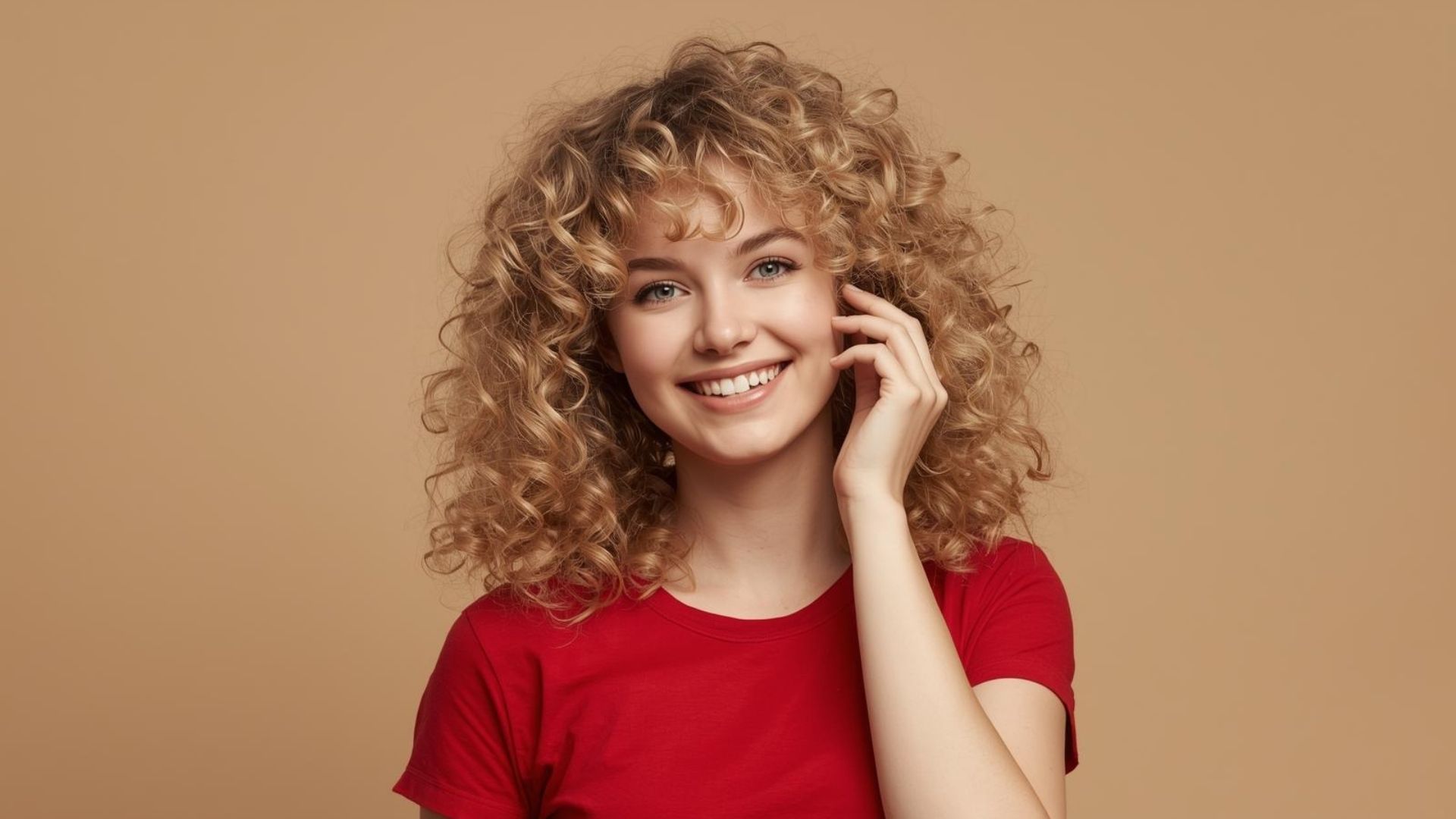



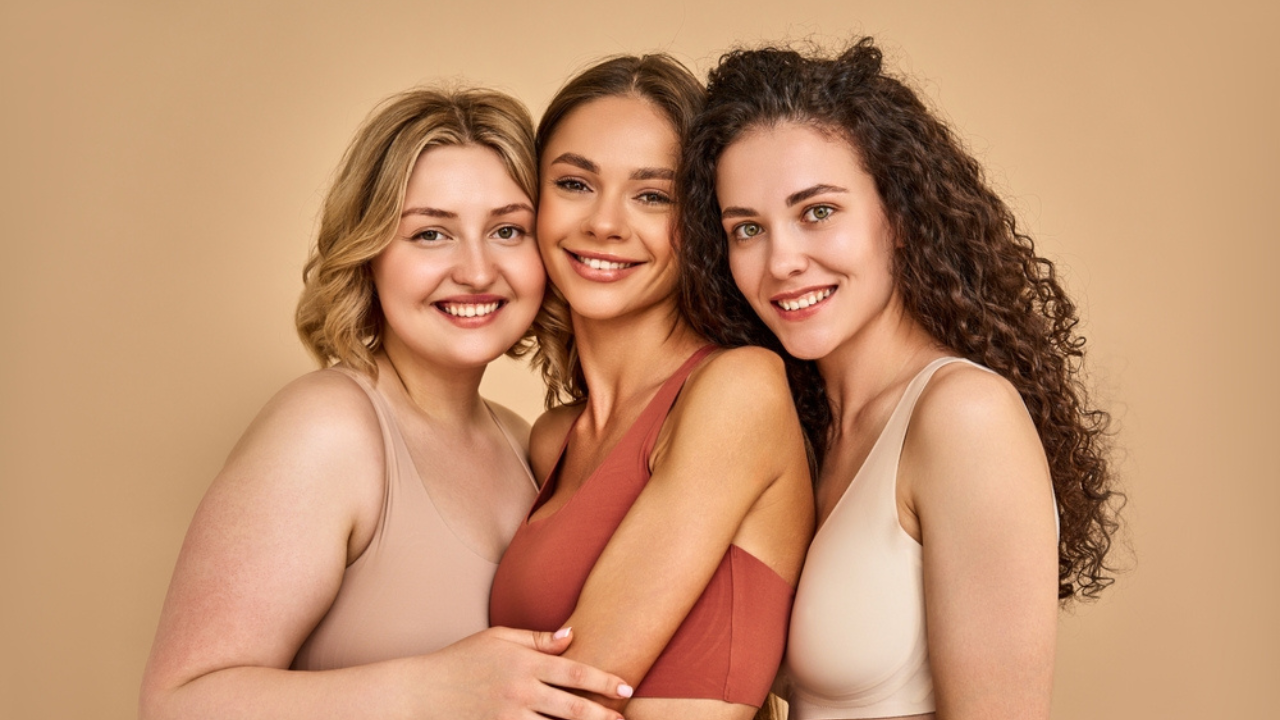
Each type-3 curl has specific needs: 3a curls look for lightness and elastic definition, 3b curls need balanced hydration, and 3c curls require intense nourishment to counter dryness and shrinkage. That’s why the ideal routine should include not only shampoo, conditioner, and styling, but also targeted extra treatments.
Products for 3a curls
3a curls have wide, lightweight spirals that can easily lose definition and swell in humidity. Here, the keyword is lightness.
Shampoo: choose gentle formulas, free from harsh sulfates, that cleanse without stripping natural oils. Lightweight moisturizing shampoos like 2Gentle® help prevent flatness and maintain elasticity.
Conditioner: go for detangling treatments with emollient ingredients such as Argan, Macadamia, or Jojoba oil. Very rich masks may weigh hair down — better to opt for light formulas that melt away knots without heaviness, like Delight Milk®.
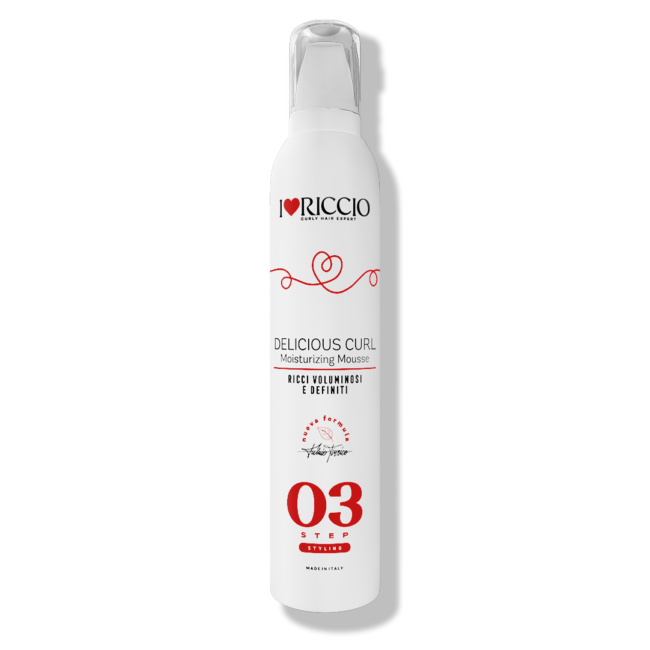
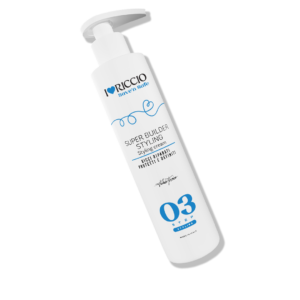
Styling: curl mousses like Delicious Curl® and medium-hold water-based gels are perfect for fixing the curl pattern without stiffness. Lightweight textures enhance movement and guarantee long-lasting, elastic definition.
Extra: finish with a hydrating curl-refresh spray — ideal between wash days to revive curls and reduce frizz without restarting your Curly Routine from scratch.
Products for 3b curls
Type 3b curls have tighter, more compact spirals with greater volume and a natural tendency toward dryness. Here, consistent hydration and frizz control are essential.
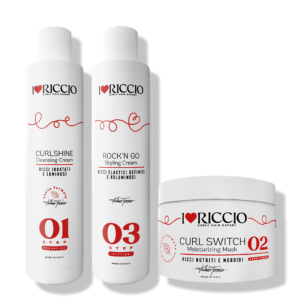
Shampoo: a hydrating formula with gentle surfactants (cocamidopropyl betaine, sugar-derived agents). CurlShine® is ideal for this type: it deeply cleanses without compromising the natural lipid barrier.
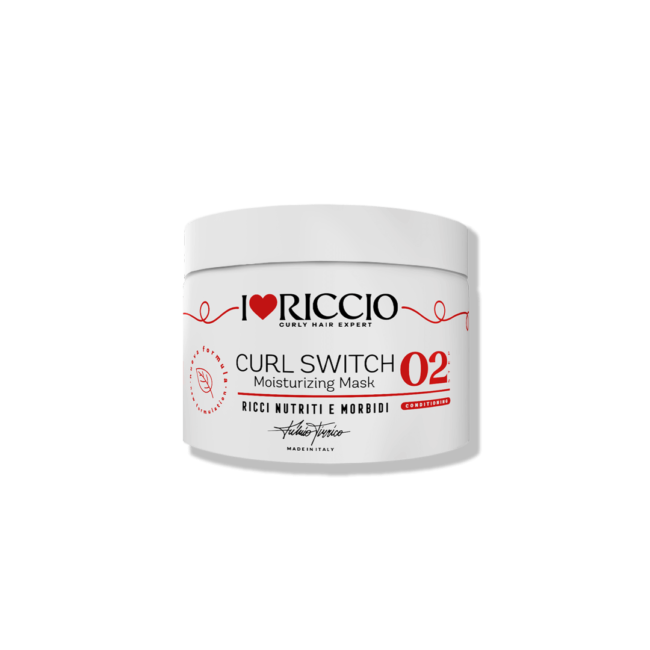
Conditioner: richer treatments than those for 3a curls, with vitamin E and Argan, Macadamia, or Jojoba oils that attract and retain moisture inside the hair. Weekly masks that boost elasticity and softness — such as Curl Switch® — are a great choice.
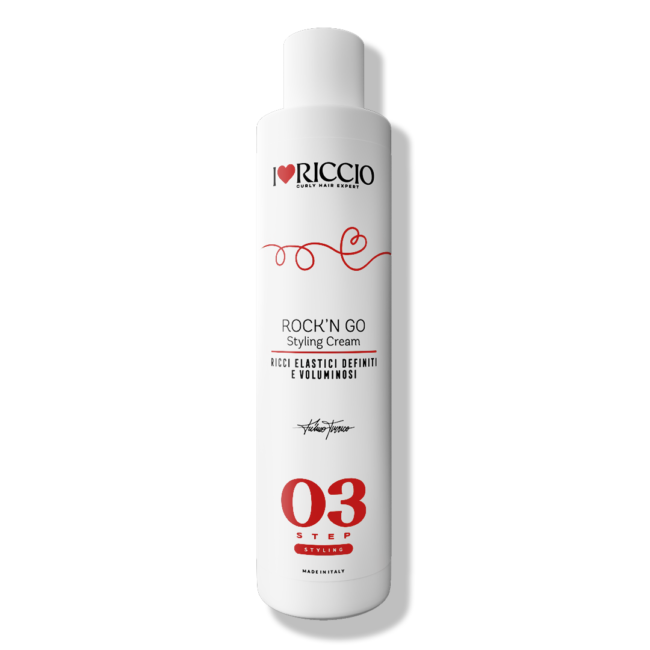
Styling: medium-density curl creams like Rock’n Go® help define and soften while controlling volume and frizz without stiffness. For more stable results, apply to very wet hair and finish with a low-heat/low-speed diffuser.
Extra: incorporate protein masks periodically to help reinforce the fiber and prevent breakage. Alternate them with moisturizing masks — the right mix of hydration and proteins keeps curls compact and resilient.
Products for 3c curls
3c curls have tight, dense spirals with a thick texture and a strong tendency to shrink. They have the highest demand for nourishment.
Shampoo: moisturizing formulas enriched with lightweight oils (jojoba, argan) or plant proteins. Avoid overly foamy shampoos that dry hair out — creamy textures or alternating co-wash cleansers like Wash’n Go® work best to maintain natural hydration.
Conditioner: very rich, creamy treatments are essential for detangling and reducing knots. Ultra-nourishing, moisturizing masks like Balby Cream® or Glorification Mask restore softness and suppleness. Leave-in conditioners become almost indispensable for maintaining hydration over time.
Styling: rich curl creams and curl-defining gels (like Twist’n Go®) are often layered together (cream + gel). Creams give nourishment and elasticity; gel seals the shape and controls frizz, reducing shrinkage.
Extra: lightweight plant oils (fractionated coconut, jojoba) used as a final step to seal in moisture and protect against dryness. Don’t overlook deep nourishing treatments — true allies for keeping curls defined and elastic.
Whether you have 3a, 3b or 3c curls, the secret is the same: learn to understand them, respect them, love them. With a tailored Curly Routine, you can enhance their natural shape and energy, transforming daily care into a ritual that truly brings out the best in your hair.
Don’t know your curl type yet?
Find out with the Curly Test — it helps you identify the products that best suit you and get expert advice, so you can have salon-quality curls at home.