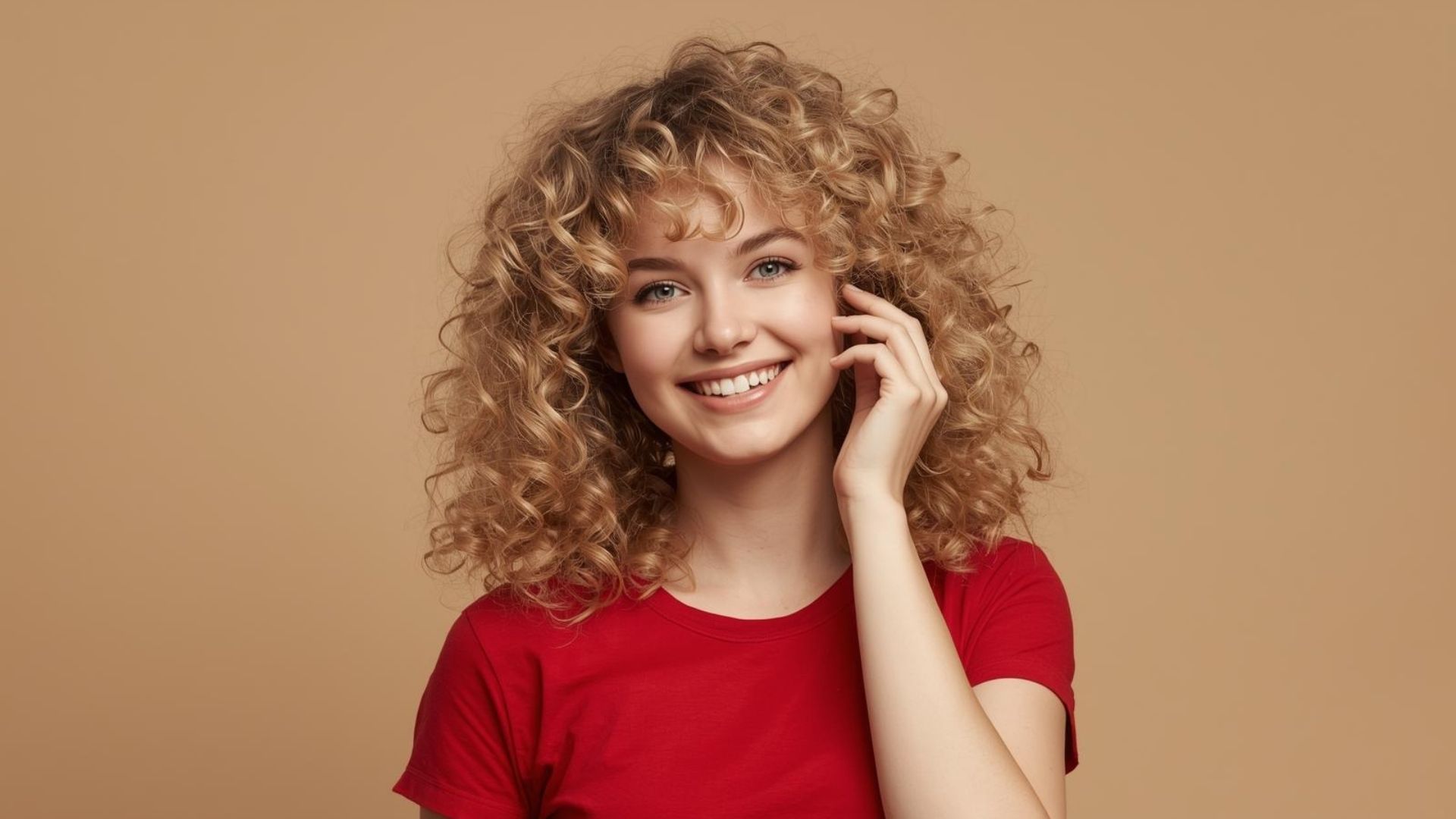




Hydrating curly hair is one of the most crucial — yet frequently overlooked — gestures in a proper Curly Routine. If your curls look dry, dull, or struggle to hold definition, chances are they’re thirsty. But be careful: hydrating doesn’t simply mean applying just any product. It means choosing the right treatments, understanding your specific curl type, and finding the perfect balance between moisture and lightness.
Let’s explore why hydration is so important for curly hair, how to do it the right way (without weighing curls down!), and which signs can indicate excessive hydration.
Why is hydrating curls so important?
Curly hair tends to be naturally drier than other hair types. This happens because its spiral structure makes it harder for the scalp’s natural oils to travel down the lengths. The result? Curls struggle to retain moisture and become more fragile, porous, and prone to frizz.
Hydrating curly hair helps compensate for this lack of moisture, improving elasticity, softness, and definition. Well-hydrated hair is more resistant to breakage, responds better to styling, and maintains its natural curl pattern for much longer.
Regular hydration also helps to:
-
prevent split ends;
-
protect the hair fiber from thermal and mechanical stress;
-
improve the overall texture of the hair, making it more harmonious and vibrant.
How to hydrate curly hair without weighing it down
Daily curl hydration doesn’t come from a single product, but from a targeted Curly Routine that combines different steps and lightweight yet effective treatments. The golden rule is knowing your hair’s porosity and choosing textures that work in harmony with your hair fiber.
1. Choose lightweight, curl-specific hydrating products
For balanced hydration, avoid formulas that are too rich or oily, as they can weigh curls down and make them look dull. Instead, opt for:
-
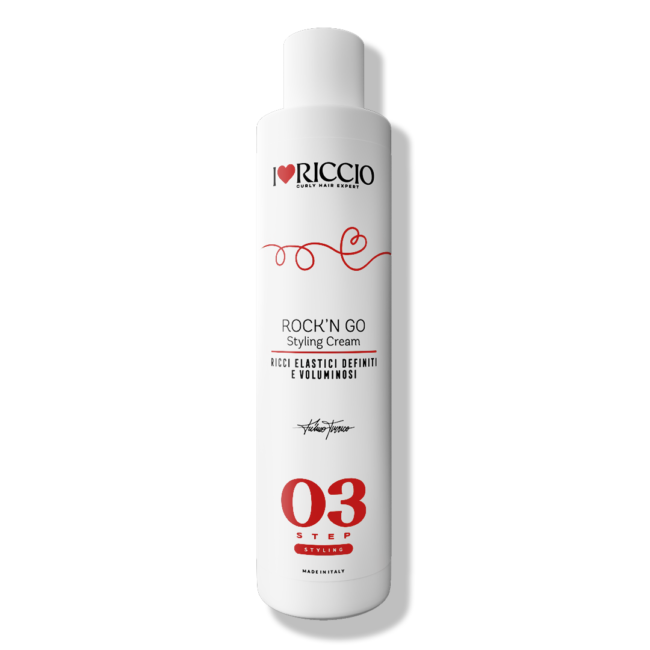
lightweight leave-in conditioners with a creamy but airy texture, perfect after washing or for daily refreshes;
-
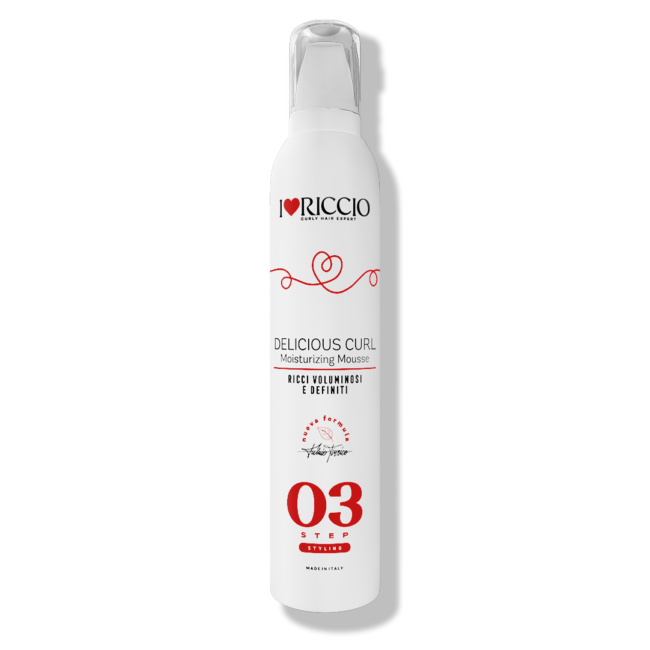
hydrating gels that help seal in moisture and maintain definition;
-
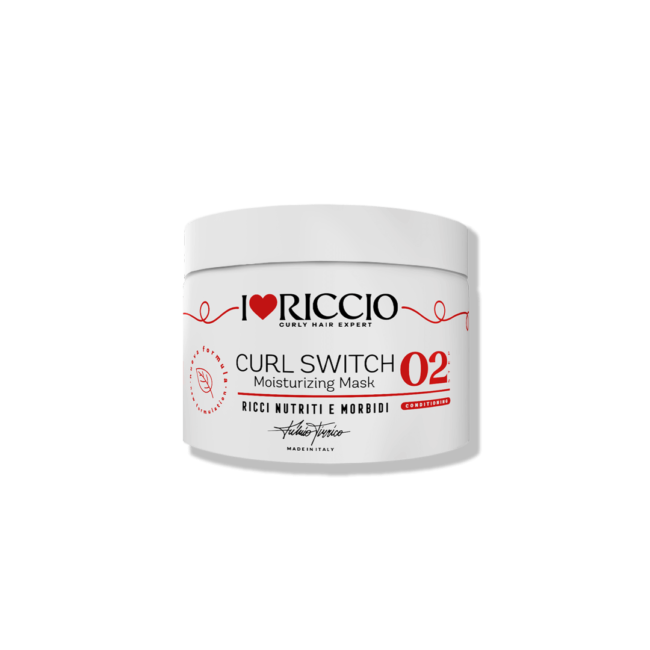
rinse-out hydrating masks, to be used once a week.
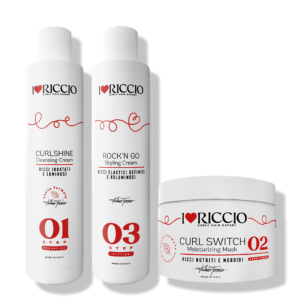
If you’re looking for a complete routine to keep curls hydrated and defined, you can choose our Curly & Wavy Hair Kit, designed to restore the right amount of moisture to the hair fiber without compromising lightness.
2. Incorporate the LOC method into your Curly Routine
The LOC method for curly hair is one of the most effective ways to retain moisture over time. LOC stands for Liquid – Oil – Cream:
-
Liquid: water or hydrating sprays;
-
Oil: a lightweight oil to seal in moisture;
-
Cream: a leave-in or hydrating cream to nourish and define.
This technique is ideal if you want to hydrate your curls daily in an effective way, avoiding build-up and preserving your texture’s natural volume.
3. Avoid habits that cause dehydration
Often, it’s everyday habits that compromise hydration:
-
avoid harsh shampoos or formulas with sulfates;
-
limit the use of high heat without thermal protection;
-
dry hair with cotton T-shirts or microfiber towels;
-
don’t touch curls while they’re still wet — this can break the hydrating film and lead to frizz.


Beware of over-hydration in curly hair
Even hydration, when excessive, can cause problems. This is what we call over-hydration in curly hair: a condition in which the hair fiber absorbs too much water, becoming limp, lacking elasticity, and more prone to breakage.
Signs you shouldn’t ignore:
-
curls don’t hold their definition, even after styling;
-
hair feels extremely soft, but unresponsive;
-
the texture looks flat and lacks body.
If you recognize these signs, your hair may be over-hydrated — meaning it has received too much moisture and too many emollient agents without enough proteins or balancing elements. This imbalance can make the hair fiber less elastic, more fragile, and unable to maintain curl shape.
Here’s how you can restore balance:
-
Temporarily pause ultra-hydrating treatments, such as intensive masks and very rich leave-ins, especially those based on heavy butters and oils.
-
Introduce products with hydrolyzed proteins, such as keratin or rice proteins: they help strengthen the internal structure of the hair and make it more reactive.
-
Assess your hair’s porosity: low-porosity hair, for example, retains moisture more easily and is more prone to over-hydration.
-
Alternate treatments: balance hydration phases with structural strengthening, choosing well-rounded, balanced formulas.
-
Listen to your hair’s response: if curls regain elasticity, definition, and “liveliness” after just one or two targeted wash days, you’re on the right track.
Remember: hydration is never about quantity, but about quality and proportion. Every hair type has a different threshold, and finding the right balance takes patience, observation, and the right products.
Understanding your texture’s needs, choosing suitable products, and applying them correctly makes the difference between dull curls and curls full of life. Start hydrating your curls consciously, and you’ll see their natural beauty bloom again — one wash day at a time.